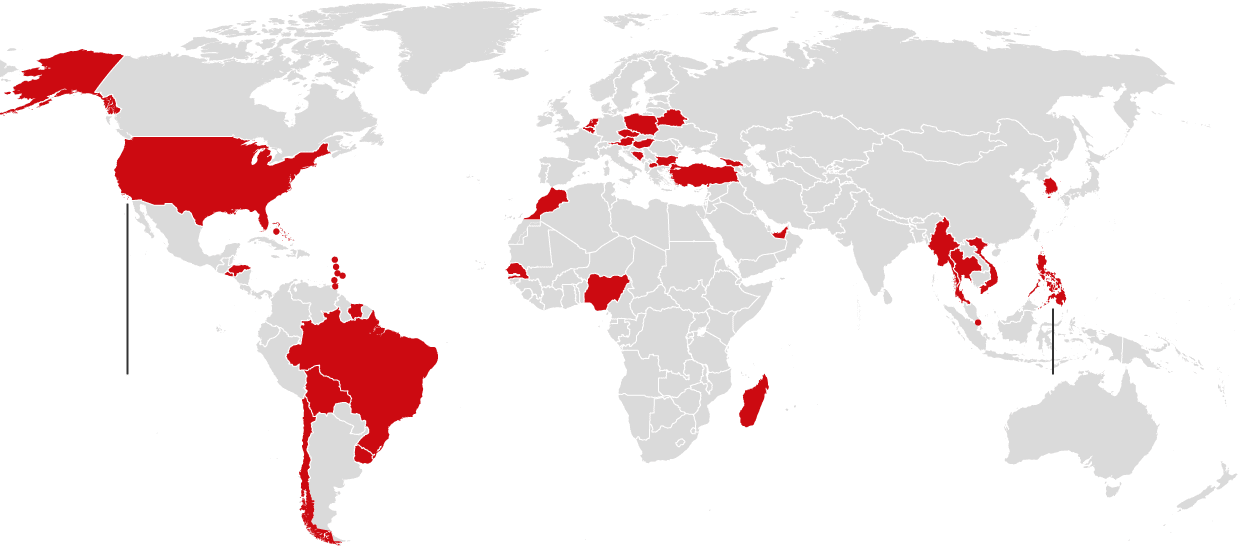
- 4 of the 10 top improvers—Afghanistan, Djibouti, Côte d’Ivoire and Togo—are countries suffering from fragility, conflict and violence
- One-third of all business regulatory reforms were in the economies of Sub-Saharan Africa—a total of 107 reforms and a record for the region
- 2 countries from Eastern Europe and Central Asia made the top 10: FYR Macedonia in 10th and Georgia, edging up two spots to 6th
- Brazil recorded the largest score improvement in Latin America and the Caribbean, reforming in four areas.
- United Arab Emirates entered the top 20 in 11th place.
- China, one of this year’s top 10 improvers, advanced more than 30 spots to 46th place in the global rankings.
- India became South Asia’s top-ranked economy, advancing 23 spots to 77th place in the global ranking.
.
Hand in Hand Around the World
Saturday, November 3, 2018
World Bank Ease of Doing Business 2019
Monday, October 15, 2018
Global Peace Index 2018
The 12th annual "Global Peace Index" by the Institute for Economics and Peace, an independent non-profit think tank based in Australia, scored 163 independent states and territories according to their levels of peacefulness.
The study assessed global peace through three filters: safety and security in society, extent of ongoing domestic or international conflict and the degree of militarization. Researchers considered 23 peace indicators to determine scores, including the number of casualties from terrorism and conflicts in that country, the number of murders per capita and the ratio of military spending to gross domestic product.
• Global level of peace has deteriorated by 0.27 percent in the last year.
• A total of 71 countries have shown improvement in their rankings on the index, while, 92 countries have shown deterioration in their rankings on the index.
• Amid continuing social and political turmoil, the world continues to spend resources on creating violence, but very little on peace.
Iceland fetched 1st rank on the index, a position it has held since 2008, followed by New Zealand and Austria at 2nd and 3rd position. Portugal and Denmark rounded up the top five most peaceful rankings.
Syria remains the least peaceful country in the world, a position it has held for the past five years. Afghanistan, South Sudan, Iraq and Somalia round up the list of five least peaceful countries.
Full report here: Global Peace Index 2018
Saturday, September 22, 2018
Global Rule of Law Index 2018
The WJP Rule of Law Index® measures rule of law adherence in 113 countries and jurisdictions worldwide based on more than 110,000 household and 3,000 expert surveys. Featuring primary data, the Index measures countries’ rule of law performance across eight factors: Constraints on Government Powers, Absence of Corruption, Open Government, Fundamental Rights, Order and Security, Regulatory Enforcement, Civil Justice, and Criminal Justice.
Fundamental human rights are reported to have diminished in almost two-thirds of the 113 countries surveyed for the 2018 Rule of Law Index, amid concerns over a worldwide surge in authoritarian nationalism and a retreat from international legal obligations.
While the Nordic trio of Denmark, Norway and Finland again rank first to third in the index, the United Kingdom has dropped out of the top 10 to 11th place overall. In all, 38 countries have seen their overall Rule of Law score diminish since the last index.
Of the 35 countries classified as “high-income” in the report, the United States ranks 19th, just ahead of Korea and behind France. But in the fundamental rights category, the US falls five places to 26th, with worsening levels of discrimination and due process of law plus decreased guarantees of the right to life all contributing to this downward trajectory.
Friday, September 21, 2018
World Human Development Index 2018
Wednesday, August 15, 2018
Global Liveability Index 2018

According to The Economist Intelligence Unit's (EIU) Global Livability Index 2018 a measurement of the world's best cities to call home, not a single U.S. city was good enough to make the cut. The Global Livability Index compares world cities with each other in terms of security, affordability, education, healthcare, its urban lifestyle and infrastructure.
At least four world class cities have fallen from the top 10 over the past year—Auckland (from 8th to 12th), Perth (from 7th to 14th), Helsinki (from 9th to 16th) and Hamburg (from 10th to 18th)—despite the fact that none of these cities have seen a deterioration of the main items being measured.

The ten most livable cities in 2018
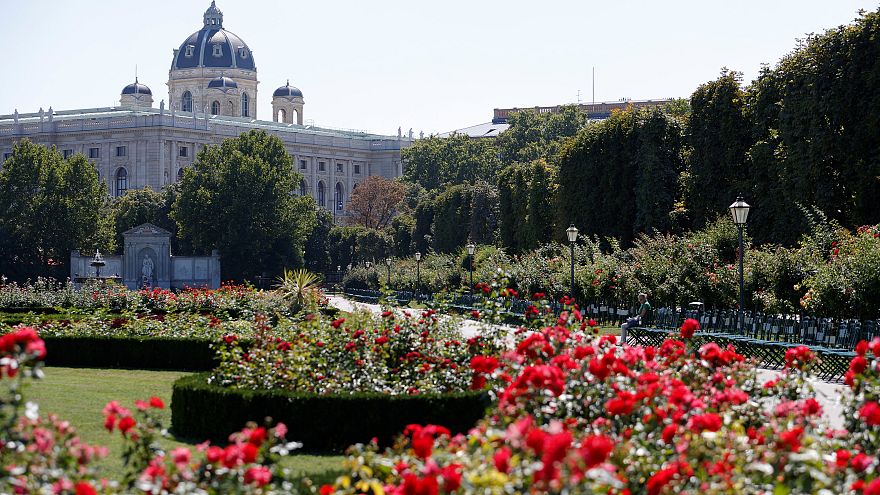
1. Vienna, Austria2. Melbourne, Australia
3. Osaka, Japan
4. Calgary, Canada
5. Sydney, Australia
6. Vancouver, Canada
7. Tokyo, Japan
8. Toronto, Canada
9. Copenhagen, Denmark
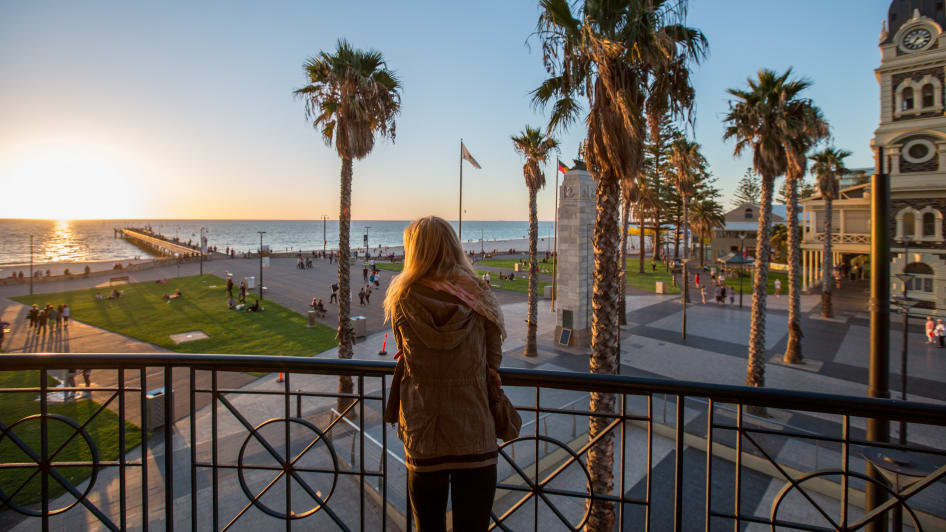
10. Adelaide, Australia
The ten least livable cities 2018
1. Damascus, Syria2. Dhaka, Bangladesh
3. Lagos, Nigeria
4. Karachi, Pakistan
5. Port Moresby, Papua New Guinea
6. Harare, Zimbabwe
7. Tripoli, Libya
8. Douala, Cameroon
9. Algiers, Algeria
10. Dakar, Senegal
Saturday, August 4, 2018
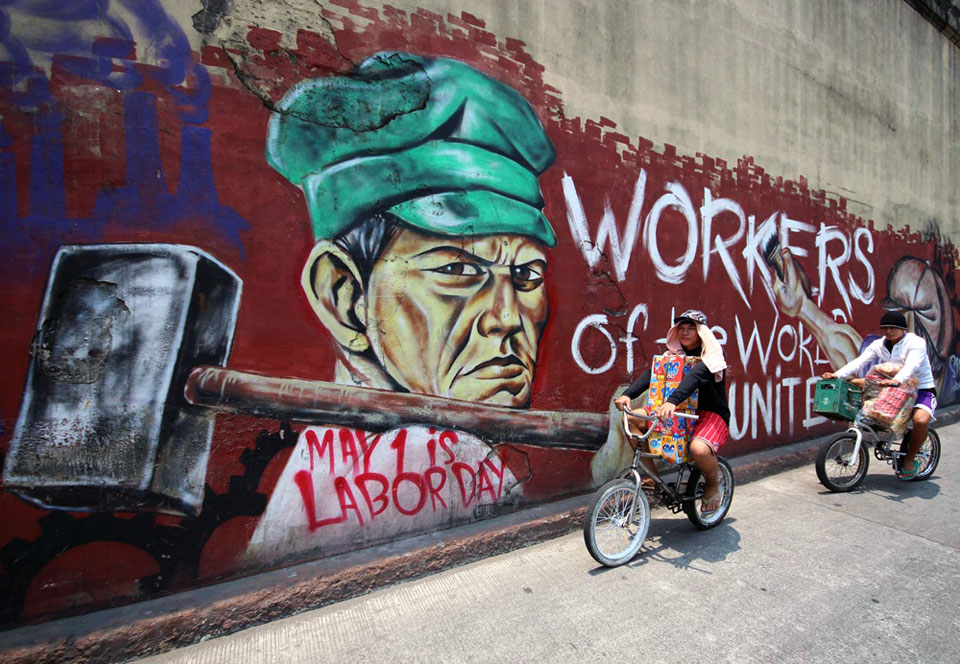
Global Workers' Rights Index 2018

The Global Rights Index reports on annual survey of Violations of Trade Union Rights. It ranks
142 countries against 97 internationally recognized indicators to assess
where workers’ rights are best protected in law and in practice. The
report rates countries from one to five according to these indicators,
with an overall score placing countries in rankings of one to five.
1 Sporadic
violations of rights: 13 countries including Austria, Belgium, Denmark,
Finland, Germany, Iceland, Ireland, Italy, Netherlands, Norway,
Slovakia, Sweden. The other country is Uruguay.
2 Repeated
violations of rights: 23 countries including Croatia, Czech Republic,
Estonia, France, Israel, Latvia, Lithuania, Montenegro, Portugal,
Switzerland
3 Regular
violations of rights: 26 countries including Albania, Bulgaria, Georgia,
Hungary, Macedonia, Moldova, Poland, Russian Federation, Spain, United
Kingdom.
4 Systematic violations of rights: 38 countries including Bosnia and Herzegovina, Romania, Serbia
5 No guarantee of rights: 32 countries including Belarus, Greece, Kazakhstan, Turkey and Ukraine.
5+ No guarantee of rights due to breakdown of the rule of law: 10 countries including Palestine.

The 2018 report’s key findings include :
- 65% of countries exclude some groups of workers from labour law.
- 87% of countries have violated the right to strike.
- 81% of countries deny some or all workers collective bargaining.
- Out of 142 countries surveyed, 54 deny or constrain free speech and freedom of assembly.
- The number of countries in which workers are exposed to physical violence and threats increased by 10% (from 59 to 65) and include Bahrain, Honduras, Italy and Pakistan.
- Countries where workers are arrested and detained increased from 44 in 2017 to 59 in 2018.
- Trade unionists were murdered in nine countries - Brazil, China, Colombia, Guatemala, Guinea, Mexico, Niger, Nigeria and Tanzania.
Saturday, July 14, 2018
The Most Populated Cities on Earth
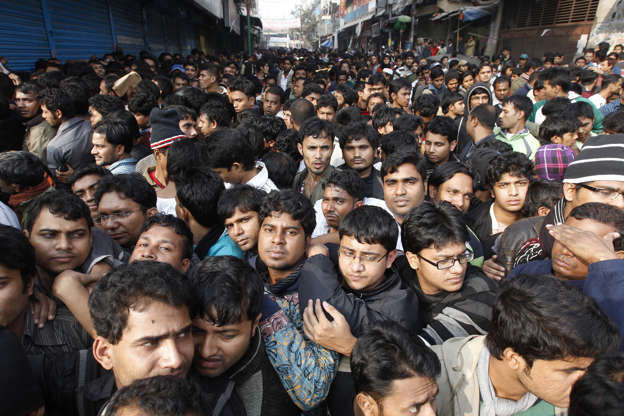
With population levels across the world growing at alarming rates, here are the megacities (defined as cities with populations of 10 million
or more) listed in the United Nations World's Cities in 2016 report.
Highlights of the Report (2016):
- The world's cities are growing both in size and number
- One in five people worldwide lives in a city with more than 1 million inhabitants
- Most megacities are located in the global South
- The share of the population residing in cities in projected to increase in all regions
- Most of the world's fastest growing cities are located in Asia and Africa
- In 28 countries or areas, more than 40 per cent of the urban population is
concentrated in a single city of more than one million inhabitants - Most cities are vulnerable to at least one type of natural disaster
- A majority of city dwellers live in cities that face high risk of disaster-
related mortality or economic losses
10. New York-Newark, United States
The city of New York, also known as the "Big Apple" and "The City That Never Sleeps," and neighboring Newark are home to approximately 18,604,000 people.
9. Cairo, Egypt
Romanticized in movies and literature, Cairo is a beautiful place to visit for the holidays, but may not be the best place for those who are claustrophobic. Approximately 19,128,000 people call this city home. Its high population can also be attributed to its many state-of-the-art universities and medical centers.
8. Osaka, Japan
With its charming corner shops and rich cultural scene, Osaka has attracted many foreigners to come and live in the beautiful city. This has led Osaka to become one of the most populated cities on earth with a population of roughly 20,337,000. The city, however, has also been experiencing a low birth rate of late, which is predicted to cause a decline in its population in the coming years.
The city of New York, also known as the "Big Apple" and "The City That Never Sleeps," and neighboring Newark are home to approximately 18,604,000 people.
9. Cairo, Egypt
Romanticized in movies and literature, Cairo is a beautiful place to visit for the holidays, but may not be the best place for those who are claustrophobic. Approximately 19,128,000 people call this city home. Its high population can also be attributed to its many state-of-the-art universities and medical centers.
8. Osaka, Japan
With its charming corner shops and rich cultural scene, Osaka has attracted many foreigners to come and live in the beautiful city. This has led Osaka to become one of the most populated cities on earth with a population of roughly 20,337,000. The city, however, has also been experiencing a low birth rate of late, which is predicted to cause a decline in its population in the coming years.
7. Mexico City, Mexico
A financial hub for Latin America, a cultural center that celebrates the modern and the ancient, and a city that was built on top of the capital city of the Aztec empire, Tenochtitlán , Mexico City is certainly an extraordinary city with a population of around 21,157,000 people.
6. Beijing, China
As over 1.3 billion people live inside China's borders, it is not shocking that its capital is one of the most crowded cities on earth. With a population of about 21,240,000 people, there's no shortage of excitement in this city.
5. São Paulo, Brazil
As the most populated city below the equator with an approximate population of 21,297,000, São Paulo houses an incredible array of institutions from finance to culture.
4. Mumbai, India
Attracting people from nearby cities because of its cosmopolitan charm and job opportunities, Mumbai now has a population of around 21,357,000 people. And with its total wealth reaching around US$280 billion, it certainly offers outstanding opportunities.
3. Shanghai, China
As China’s most populated city, Shanghai is certainly not for those tired of the hustle-and-bustle of city life. With a population reaching 24,484,000 people, the city has become a financial center and home to the world’s busiest port.
2. Delhi, India
With a population projected to reach 36 million by 2030, it may be an under-statement to say that Delhi is a very crowded city. Today, it is home to approximately 26,454,000 individuals.
1. Tokyo, Japan
Although its population is predicted to begin declining, Tokyo is still projected to hold the top spot as the most populated city on earth until 2030. Modern, stylish and full of culture, Tokyo is one of the most captivating cities to live but also the most tightly packed. And, in a city of approximately 38,140,000 people, you are sure to have a hard time pushing through the crowds to get to your destination.
Source: The Jakarta Post
Subscribe to:
Posts (Atom)